



How to boost your immune system during flu season with supplements?
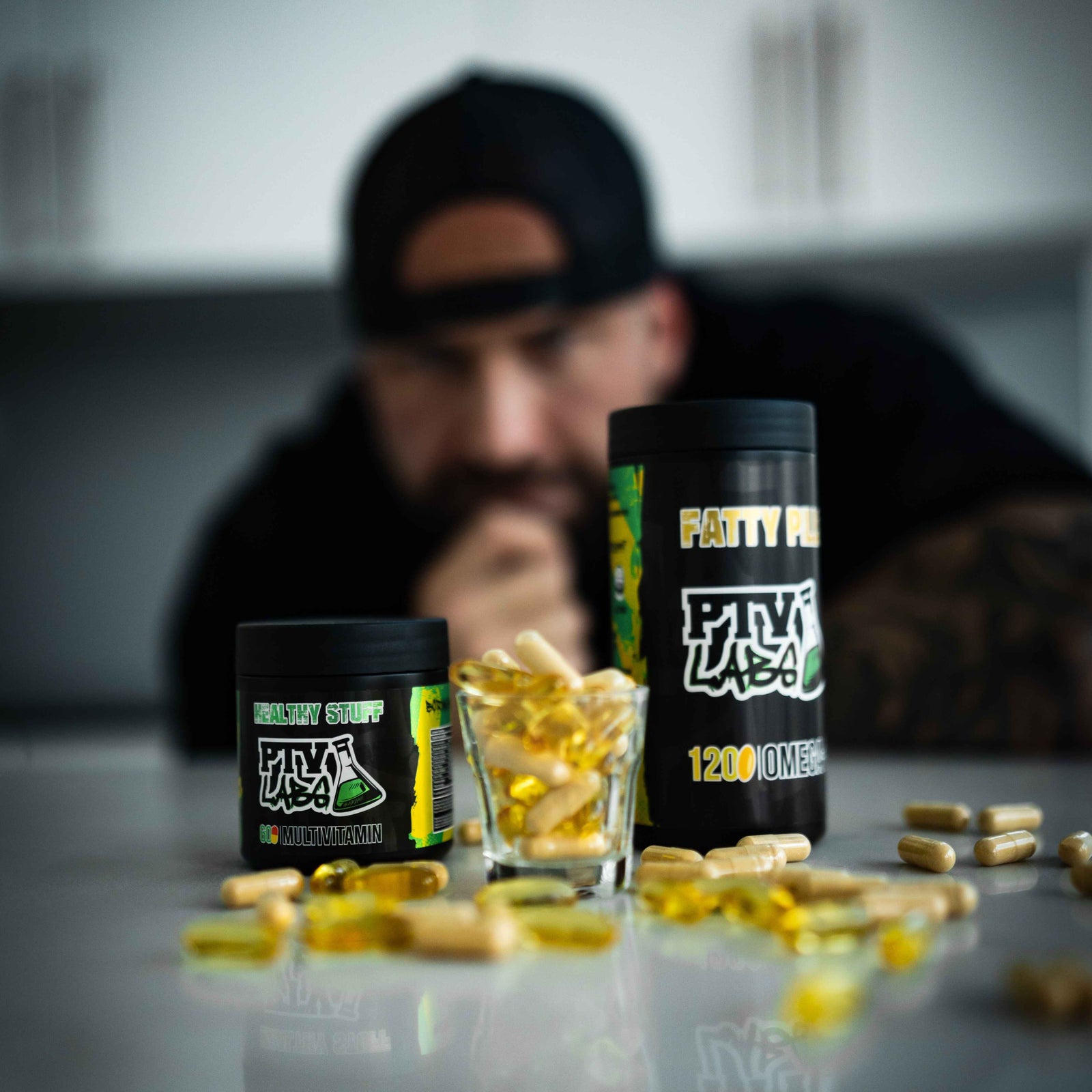
Flu season hits every year. It's precisely when you feel run down and congested that health comes to mind, and the thought arises of how to maintain it in the future. The foundation of well-being is always a varied diet, sufficient sleep, and exercise, but sometimes the body needs additional support. In such situations, supplements can offer help.
Why supporting immunity is a must-have during flu season?
From autumn to spring, circulating viruses cause an average of 2–3 colds per year in adults, and even more in children. While a cold is usually not serious, it can temporarily confine you to bed, impair concentration, and drain your energy.
The immune system functions best when the body receives enough vitamins, minerals, and other nutrients. If the diet is not nutritionally complete, as is often the case in a busy daily life, supplements are an easy way to ensure adequate intake and give the body exactly what it needs.
Vitamin D – essential in the dark winter
Vitamin D3 is a key immune booster. It promotes the function of immune cells, enabling the body to defend itself more effectively against viruses and bacteria. In Finland, sunlight is scarce in winter, so obtaining vitamin D from food and supplements is particularly important during flu season.
Vitamin K2, in turn, complements the effects of vitamin D3. It directs calcium to the right places, such as bones and teeth, instead of calcium accumulating in the blood vessels. Thus, vitamin K2 supports bone health and vascular well-being.
Vitamin C – a flu season classic
Vitamin C is one of the most popular vitamins during flu season, as it supports the normal functioning of the immune system and helps reduce the burden caused by infections. Its most significant benefit relates to alleviating the duration and symptoms of a cold, and according to studies, regular use can shorten the duration of a cold by about 8% in adults and 14% in children. In addition, vitamin C acts as an antioxidant, which is important for the body's recovery during illness.
Vitamin C is best absorbed by the body when divided into several smaller doses throughout the day. Natural sources include citrus fruits, bell peppers, and berries, but a capsule is a convenient way to ensure sufficient daily intake, especially amidst a busy daily life.
The combination of vitamin C and rosehip has been found to be an effective combination. Rosehip extract contains natural antioxidants and supports the absorption of vitamin C, which enhances the benefits of the vitamin.
Zinc – faster recovery when symptoms begin
Zinc is one of the key trace elements for the immune system, and its sufficient intake is important during flu season. It participates in the function of immune cells and reduces inflammatory reactions. A zinc deficiency can weaken the body's defense system and make it susceptible to infections.
Zinc can help speed up recovery, especially if taken immediately at the onset of the first cold symptoms. The most commonly used forms are zinc acetate and zinc gluconate, which have been found to support immune function and shorten the duration of a cold. In addition, zinc promotes the well-being of mucous membranes and skin, which act as important protectors of the body against pathogens.
Zinc should be combined with magnesium and vitamin B6, as together they can maintain overall immunity and reduce fatigue. Vitamin B6 supports energy metabolism and normal nervous system function. Magnesium, in turn, promotes normal muscle and nervous system function and improves sleep quality, thus playing a key role in recovery.
Probiotics – gut support for immunity
Over 70% of the body's immune system cells are located in the gut, making gut health a crucial factor in flu season immunity. Probiotics, or lactic acid bacteria, have been shown to reduce the incidence of respiratory infections and shorten recovery time, especially in children and active individuals. However, not all probiotics are the same, and research evidence often relates to specific strains. Nevertheless, a high-quality probiotic supplement can be a good choice to support you during flu season.
Omega-3 fatty acids – curbing inflammation
Omega-3 fatty acids (EPA and DHA) are essential building blocks for the body, primarily obtained from fatty fish. As the body cannot produce these fats itself, their intake must be ensured through diet or supplements.
One of the most important effects of omega-3 fatty acids is related to curbing inflammation. They help balance the immune system and reduce low-grade inflammation in the body, which can weaken immunity and slow down recovery.
In addition, omega-3 fatty acids support normal heart and blood vessel function, help maintain balanced cholesterol levels and blood pressure, and promote circulation. They also support cognitive functions of the brain, such as concentration and memory, and maintain vision and eye health. They also have an impact on skin and joint well-being, as they maintain tissue elasticity and reduce inflammatory symptoms.
Other notable supplements during flu season
-
Selenium and Vitamin E: act as antioxidants and support immune function, but deficiencies are rare in individuals following a varied diet.
-
Magnesium: important for the body's energy production and recovery, but does not directly prevent colds.
-
Multivitamins: can be beneficial if the diet is unbalanced or if daily life does not always allow for varied eating.
When flu season challenges, carefully chosen supplements can help keep your immune system balanced. You can order all the supplements mentioned in this article from the PTVLABS online store and stay one step ahead. Go to the online store


