



Better Sleep – These Tips Will Help You Sleep Deeper and Recover More Effectively
Quality sleep is one of the most effective ways to promote recovery, development, and overall well-being. Even if your diet, workout program, and supplements are in order, without quality sleep, progress will fall short. Let's now delve into how you can improve sleep quality, recovery, and ensure your body gets what it needs during the night.
Why is good sleep essential for an athlete?
Sleep is not just rest; it's an active process where the body repairs and rebuilds itself. Especially during deep sleep, the following occurs:
-
Tissue repair and muscle growth: growth hormone secretion peaks during deep sleep.
-
Nervous system recovery: the central nervous system gets the rest it needs, which directly affects workout performance and motor skills.
-
Strengthening the immune system: poor sleep weakens immunity.
It has been observed that even a few nights of poor sleep can impair muscle strength, reaction time, and insulin sensitivity, which in turn slows recovery, increases the risk of injury, and makes it difficult to achieve the results from training and nutrition. For a gym-goer, this means diminished results, as metabolism slows down, and the body becomes more prone to storing fat.
Sleep won't come! But why?
Many actively training individuals find that even if their body is physically tired, sleep doesn't come easily. This is often due to an overloaded nervous system, inappropriate evening routines, or an imbalanced sleep rhythm. Factors affecting sleep quality are not limited to just falling asleep. For example, the amount of deep sleep, the length of the sleep cycle, and uninterrupted sleep are crucial for recovery. High stress levels or heavy late-night workouts can keep the nervous system activated long into the evening, preventing the body from entering a restorative state of rest. Let's now look at a few tips on how to improve sleep.
1. Schedule your workouts wisely
A tough evening workout can be a shock to the body just when it should be starting to wind down. Strenuous exercise raises core body temperature and activates the production of the stress hormone cortisol, neither of which supports quality sleep. If you work out in the evening, consider a few things:
-
End your workout with a calming section, such as walking or stretching, during which you can breathe through your nose. This helps the body transition into a state of rest.
-
Allow sufficient recovery time before bed, ideally 2–3 hours. This gives the body a chance to lower its heart rate and prepare for sleep.
Smart timing doesn't mean sacrificing workouts, but rather pacing them so that development continues even during the night.
2. Build a sleep-supportive evening routine
The body and mind need time to unwind from the day's activities. A consistent evening routine helps the body prepare for sleep. All light, especially the blue light from screens, activates the brain and can disrupt the body's natural sleep rhythm. As darkness falls, the body begins to secrete melatonin, the sleep hormone that helps us calm down and fall asleep. Bright lights and staring at screens in the evening prevent this natural process and keep the brain overstimulated. When you scroll through your phone, watch TV, or work on a computer just before bed, your brain continues to process a constant stream of stimuli. This makes it difficult to calm down and transition into sleep.
In addition, good sleep hygiene supports sleep quality. Keep your bedroom cool, dark, and quiet so your body has the best possible conditions for deep sleep. Peaceful evening routines, such as light stretching, reading, or breathing exercises, also help the mind and body shift from the day's hustle to restful sleep.
3. Key nutrients that support sleep
Certain nutrients can support falling asleep and sleep quality. Magnesium is one of the most important of these. It calms the nervous system, prevents muscle cramps, and helps the body transition into a state of rest. The combination of zinc and vitamin B6 supports the production of the neurotransmitter GABA, which is involved in calming and regulating sleep.
GABA and L-theanine are natural compounds that can promote relaxation without a strong sedative effect. GABA acts as an inhibitory neurotransmitter in the brain, and L-theanine reduces overstimulation of the mind and can facilitate falling asleep.
In addition to these, other nutrients also support quality sleep. Tryptophan is an amino acid from which the body forms serotonin and melatonin, which regulate the sleep rhythm. Melatonin itself is the body's own sleep hormone that prepares the body for rest. Omega-3 fatty acids can promote melatonin secretion and support restorative sleep. Furthermore, B vitamins, especially B12 and folates, participate in the normal functioning of the nervous system and sleep hormones.
Diet can either support or sabotage your sleep. At the same time, it is good to be mindful of harmful factors affecting sleep. Caffeine-containing products, such as coffee, energy drinks, and pre-workouts, should be avoided after the afternoon, as their effects can last up to eight hours. Caffeine affects adenine receptors, which regulate the feeling of fatigue.
Deep sleep is the secret weapon for results
The stimulus happens in the gym, but development happens at rest. By prioritizing sleep, you ensure that your body recovers, hormone balance remains in order, and your training bears fruit. During deep sleep, muscle tissue repairs itself, energy stores are replenished, and growth hormone secretion peaks. All of this makes the next workout more effective and reduces the risk of injury. Sufficient sleep is therefore not just recovery, but an investment in better results and continuous development.
If you want to support recovery and sleep quality with supplements, we at PTVLABS have a couple of suitable supplements for this purpose:
-
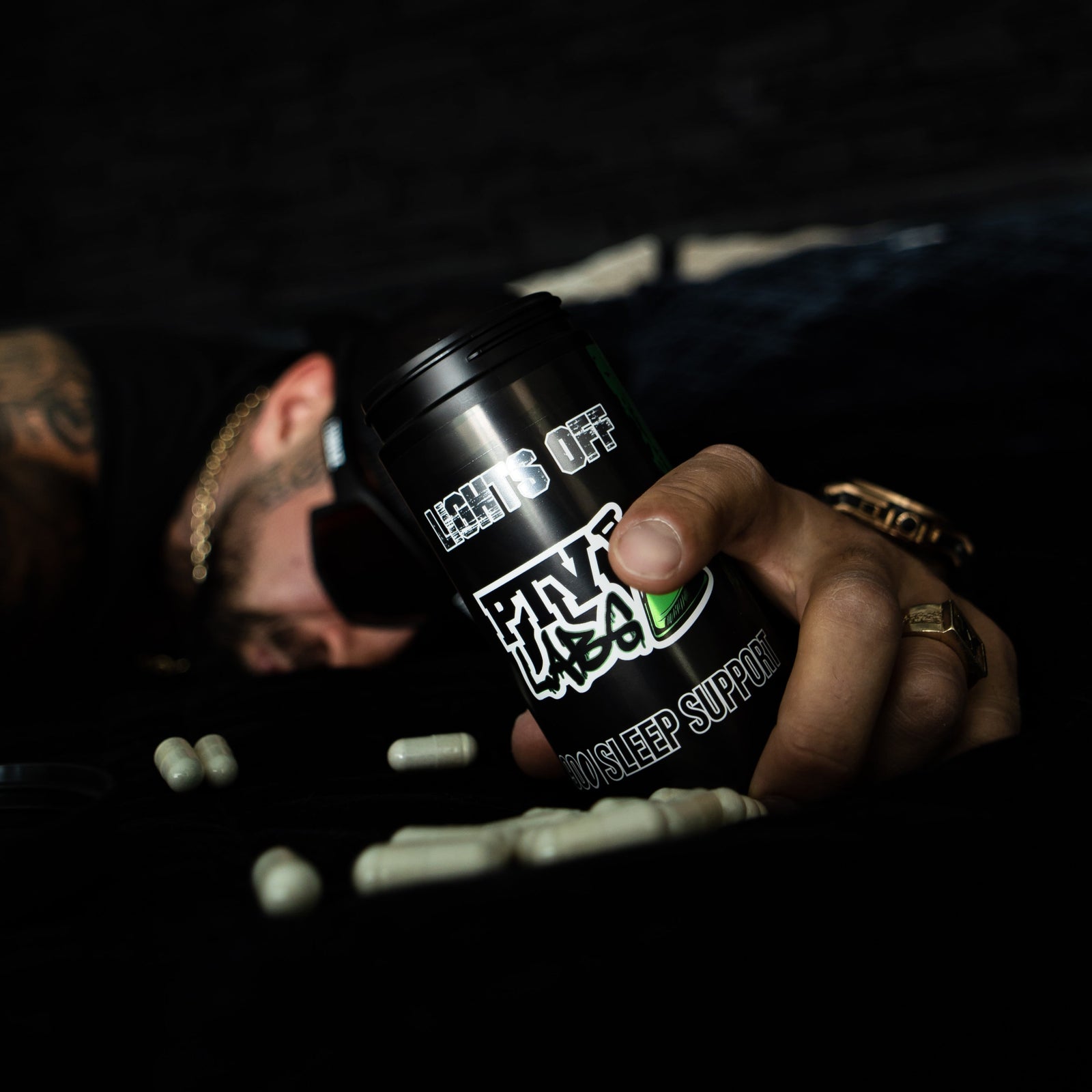
Lights Off is a dietary supplement for evening use that contains eight active ingredients (including magnesium glycinate, L-theanine, ashwagandha, and melatonin). Together, they help calm the body and mind, and support deep, restorative sleep. Learn more about Lights Off
-
ZMA, on the other hand, combines zinc, magnesium, and vitamin B6, which promote normal muscle and nerve function and reduce fatigue. Check out ZMA


